
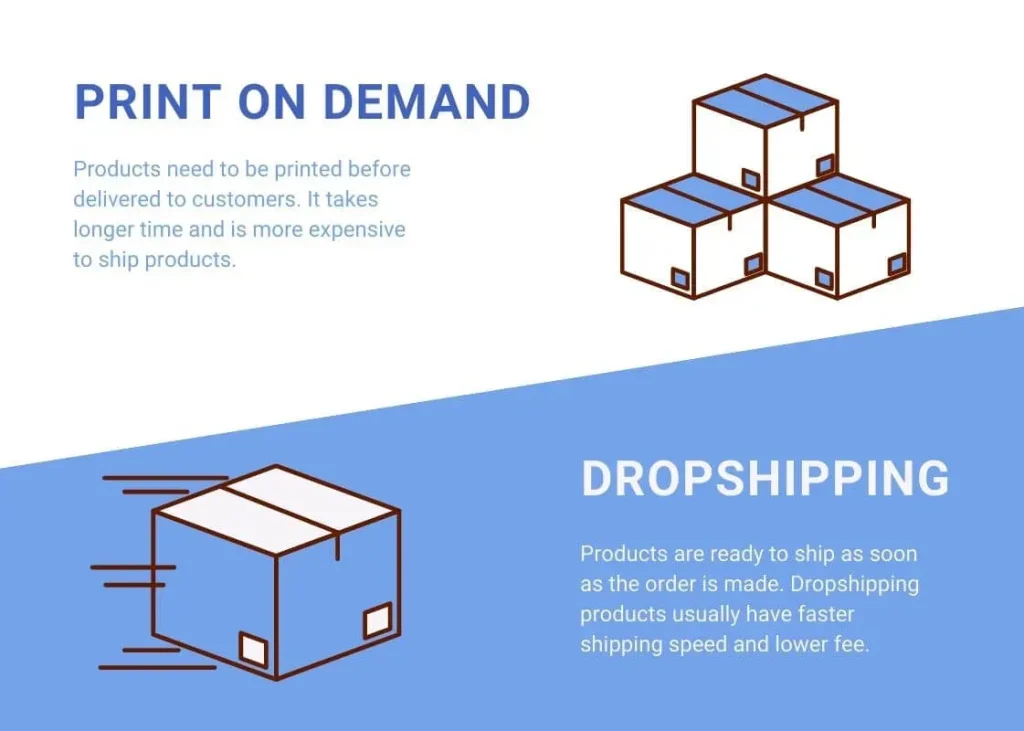
Print on Demand shipping plays a pivotal role in ecommerce, shaping customer satisfaction and long-term growth. POD fulfillment helps turn on-demand prints into fast, reliable deliveries. A strong strategy emphasizes fulfillment speed to meet delivery promises. Streamlined production timelines help keep the workflow smooth and predictable. A practical grasp of logistics for print on demand helps brands tailor offerings to markets and maintain reliability.
Beyond the jargon, this topic is best understood as on-demand production logistics that connect orders to doorstep delivery. Think of it as a production-to-delivery workflow, where items are printed when requested, routed through carriers, and tracked in real time. Other phrases you might encounter—on-demand manufacturing logistics, order-to-ship timing, and delivery reliability—describe the same system from different angles. Mastering these concepts helps retailers balance speed, costs, and customer trust across markets.
Boosting POD Fulfillment Speed with Smart Order Processing
POD fulfillment begins the moment an order is placed. By integrating your ecommerce storefront with the POD provider through API-driven connections or native apps, you can drastically shorten order processing time and minimize manual data entry. This tight integration ensures orders move quickly from cart to production, helping you meet production lead times and maintain consistent fulfillment speed even as your catalog expands.
A streamlined order processing flow reduces errors and accelerates carrier handoffs. Standardized data fields, automated status updates, and real-time alerts give your operations a single source of truth. When order processing is fast and accurate, your overall Print on Demand shipping becomes more reliable, which boosts customer trust and lowers post-purchase friction.
Streamlining Logistics for Print on Demand to Cut Shipping Costs
Logistics for print on demand involves more than printing; it requires strategic routing, packaging, and carrier selection to manage shipping costs without sacrificing speed. Effective POD logistics means choosing options that balance transit times with affordable rates, leveraging regional carriers where appropriate, and coordinating with production hubs to minimize distance to customers.
Optimizing the end-to-end flow—from production scheduling to carrier handoffs—helps reduce dimensional weight charges, packaging waste, and unnecessary delays. By aligning logistics decisions with product type and destination, you can offer competitive shipping costs while preserving a fast, dependable delivery experience for customers.
Improving Order Processing Time to Accelerate Print on Demand Shipping
Faster order processing time is a direct lever on overall shipping speed. Automations that submit orders to production instantly, update customers with tracking, and trigger inventory visibility reduce queue times and mis-ship risks. This approach keeps production pipelines flowing smoothly and supports predictable POD fulfillment.
To further accelerate, map out end-to-end production steps, identify bottlenecks, and apply lean process improvements. Clear cutoffs for same-day or next-day production, combined with proactive communications, ensure customers see accurate estimates and experience minimal delays, ultimately shortening the path from order to doorstep.
Choosing the Right POD Partner for Balanced Speed, Coverage, and Quality
Selecting a POD partner requires evaluating geographic coverage, production capabilities, and quality consistency. A provider with strong logistics for print on demand, multi-carrier options, and scalable capacity can maintain fulfillment speed even during demand spikes. The right partner should also offer robust integration to minimize manual workload and errors.
Beyond technical fit, assess service level agreements, cost transparency, and returns handling. Transparent, predictable shipping speed guarantees and clear cost structures help you forecast margins and set accurate customer expectations, while a reliable partner protects your brand’s reputation through consistent performance.
Best Practices for Transparent Customer Experience in Print on Demand Shipping
Transparency is essential in Print on Demand shipping. Communicate realistic lead times, production windows, and shipping estimates on product pages and during checkout. Real-time tracking should be shared as soon as the package leaves the facility to reduce post-purchase anxiety and drive confidence in your brand.
Proactive issue resolution and post-delivery engagement complete the customer experience. If delays occur, notify customers early with alternatives or compensation where appropriate, and provide a simple, fair returns policy. Clear communication about shipping costs, delivery timelines, and post-purchase follow-up fosters loyalty and encourages repeat business.
Frequently Asked Questions
What is Print on Demand shipping, and why does fulfillment speed matter in POD shipping?
Print on Demand shipping is an on‑demand production and delivery model where orders trigger printing and fulfillment through a partner or integrated system. Fulfillment speed matters because faster, more reliable delivery boosts customer satisfaction, reduces cart abandonment, and drives repeat purchases. Key speed drivers include automation of order processing, short production lead times, and efficient carrier handoffs.
How can I optimize order processing time to improve fulfillment speed in Print on Demand shipping?
Focus on automating the flow between your storefront and the POD provider (via API or native apps), set clear order cutoff times, and monitor queue levels to reduce errors. Streamlined order processing shortens production lead times and helps you meet delivery promises more consistently.
What strategies help manage shipping costs in Print on Demand shipping without sacrificing reliability?
Negotiate carrier rates across multiple providers, use blended shipping options based on product type and destination, optimize packaging to reduce weight and dimensional charges, and consider free shipping thresholds or product bundling to balance cost and speed while maintaining reliability.
What should I look for in a POD fulfillment partner to ensure fast fulfillment speed and reliable delivery in logistics for print on demand?
Prioritize geographic coverage, consistent production quality, seamless integration with your store, clear service-level agreements, transparent cost breakdowns, and robust returns handling. These factors together support fast fulfillment speed and dependable delivery.
What are best practices to improve the customer experience in POD shipping, within the broader logistics for print on demand?
Display transparent lead times on product pages, provide real-time tracking once the package is handed to the carrier, proactively communicate delays or issues, maintain a simple returns policy, and follow up post-delivery to gather feedback and reviews.
| Topic | Key Points |
|---|---|
| What is Print on Demand Shipping? | End-to-end order-to-delivery triggered by the order; production on demand; fulfillment by a partner or integrated system; connects with storefront; goal is fast, accurate, and transparent costs. |
| Why speed and reliability matter | Fast, predictable shipping builds customer trust; delays hurt brand perception, reviews, returns, and conversions; in POD, speed can affect production queues and handoffs; reliable shipping improves lifetime value. |
| Key factors affecting fulfillment speed and reliability | Production lead time; Packaging and labeling efficiency; Carrier options and routing; Order processing automation; Inventory and production capacity with dashboards; Returns and exchanges processing. |
| Strategies to improve speed and reliability | Choose a POD partner with robust integration; Standardize shipping profiles; Optimize production workflows; Centralize tracking and communication; Introduce order cutoff times; Test and optimize packaging. |
| Cost considerations in POD shipping | Evaluate carrier rate structures; Use blended shipping options; Optimize packaging and weight; Tier pricing and free shipping thresholds; Bundle products; Monitor returns costs. |
| Choosing the right POD partner and shipping options | Geographic coverage; Production capabilities and quality; Integration and automation; Shipping speed guarantees; Cost transparency; Returns handling. |
| Best practices for customer experience | Transparent lead times; Real-time tracking; Proactive issue resolution; Clear returns policy; Post-delivery engagement. |
| Case study: improving outcomes | A mid-sized apparel brand with multi-carrier shipping and automation reduced delivery times by 2–4 days in key markets; complaints decreased; repeat orders and positive reviews rose; tightening POD shipping ops boosted revenue and brand perception. |
Summary
Print on Demand shipping is a dynamic, multifaceted component of modern ecommerce. By focusing on speed, reliability, and cost optimization, you can deliver a superior customer experience without sacrificing margins. A successful POD fulfillment strategy requires choosing the right partner, automating the order flow, offering clear shipping options, and communicating transparently with customers. When shipping and fulfillment are managed effectively, the combined effect is a more trustworthy brand, higher conversion rates, and stronger loyalty.