
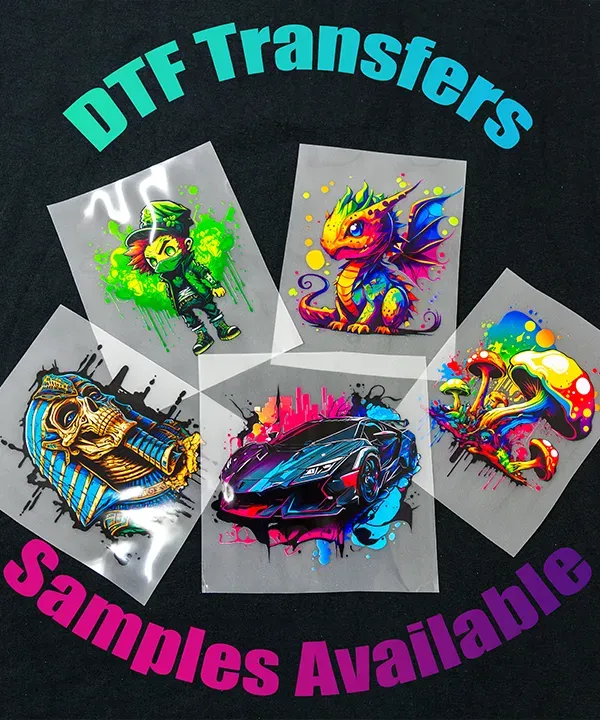
DTF Transfers offer a vibrant, durable option for fabric decoration that blends digital printing with a heat-pressed finish. As you compare DTF Transfers to heat transfer vinyl (HTV), you will notice differences in how the designs are created, applied, and how they wear over time. This introductory guide walks through the strengths and trade-offs of DTF printing versus HTV, helping you plan from a single item to a full line of custom apparel transfers. You will explore color depth, texture, transfer durability, and production steps to decide the best method for your fabric, budget, and timeline. By the end, you will know when DTF Transfers are the better choice for complex, color-rich designs or when HTV setups meet simpler needs.
Direct-to-film transfers, or film-based transfers, describe a modern garment decoration method that can deliver detailed, multicolor art through a process that involves printing on a carrier film and bonding it to fabric with heat. In this approach, vibrant imagery and photographic gradients are achieved by printing onto a special film, then applying an adhesive powder and curing step to secure the design. For those exploring alternatives to heat transfer vinyl, this method offers a softer hand and durable results on a wide range of fabrics, especially for complex designs. You will encounter terms like DTF vs HTV, custom apparel transfers, and transfer durability as you evaluate options for your brand. Ultimately, choosing the best option depends on design complexity, production volume, and the desired feel and wash performance of the final garment.
DTF Transfers: A Versatile Solution for Full-Color Custom Apparel
DTF transfers provide a versatile solution for full-color custom apparel. By applying pigment inks to a specialized film, DTF transfers deliver vibrant images with smooth gradients and photo-realistic detail that can be hard to achieve with traditional methods. For designers and small businesses focused on custom apparel transfers, the wide color gamut and crisp reproduction help brands stand out on both dark and light fabrics.
Compared to heat transfer vinyl, DTF transfers generally require fewer color layers and can reduce setup time for complex artwork. The result is a softer hand on many fabrics and a durable finish that stands up to regular wear. This makes DTF transfers a strong option for short runs, multi-color designs, and items where color fidelity matters as much as the garment’s feel.
DTF Printing vs Heat Transfer Vinyl (HTV): Key Differences for Designers
Understanding the core difference between DTF printing and HTV helps you plan production, cost, and turnaround times. DTF printing uses a direct-to-film workflow to produce full-color artwork with gradients, while HTV relies on cutting, weeding, and layering colored vinyl for solid shapes and text. This is where the term DTF vs HTV becomes a practical design consideration.
For projects requiring photo-like imagery or complex shading, DTF printing excels, whereas HTV shines with bold typography and scalable, fast-turnaround runs. Consider factors like fabric type, order volume, and required durability when choosing between methods.
Evaluating Transfer Durability: How DTF and HTV Stand Up to Washes
Durability under wash is a critical factor for sustained quality. DTF transfers tend to maintain color integrity on cotton blends and many poly fabrics, with a flexible bond that resists cracking. For custom apparel transfers, this can translate to longer wear and a more natural feel after repeated laundering.
HTV durability depends on the vinyl quality and the number of layers. While high-quality vinyl can deliver excellent wash performance, multi-layer designs may show edge wear or delamination if not process-optimized. Always test on your target fabrics and follow care instructions to maximize transfer durability.
Costs, Setup, and Production Speed: When to Choose DTF Transfers
Initial investment for DTF transfers includes a full-color printer, heat press, curing equipment, and consumables. HTV, by comparison, relies primarily on vinyl sheets, a cutter, and a heat press. While DTF upfront costs are higher, per-item costs can become competitive in larger runs, especially for complex designs.
For small runs or simple designs, HTV can be faster and cheaper per unit, particularly when color count is low. As design complexity grows, DTF reduces layering time and handling, often delivering faster turnarounds for large orders while preserving color fidelity and detail.
Best Practices for Successful DTF Printing and HTV Applications
Regardless of method, quality starts with prep: pre-washed fabrics, flat pressing surfaces, and consistent heat and pressure. DTF printing requires proper curing of the film adhesive to ensure a durable bond, while HTV demands precise cutting and careful weeding to prevent misalignment.
Post-press care is essential for longevity: allow to cool, follow washing guidelines, and conduct tests on sample fabrics to verify adhesion and color fidelity. When possible, combine methods for mixed effects—DTF for photographic elements and HTV for bold typography—while tracking results for each fabric.
Frequently Asked Questions
DTF Transfers vs HTV: Which delivers better color depth and durability for custom apparel transfers?
DTF Transfers, created with DTF printing, excel at full-color images, gradients, and photo-real artwork, and typically feel softer on fabrics and offer strong transfer durability on cotton blends when properly cured. HTV (heat transfer vinyl) delivers bold, clean shapes and text with excellent durability, but the vinyl can feel stiffer, especially with multiple layers. For complex designs, DTF transfers usually win on color depth and durability. In short, for custom apparel transfers with intricate color, choose DTF; for simple logos or typography, HTV can be faster and cheaper.
How does DTF printing impact cost and production time for small runs of custom apparel transfers compared with HTV?
DTF printing consolidates the design into a single full-color print on film, then powder, cure, and press; this can reduce setup time for complex designs but requires an upfront investment (printer, film, adhesive powders). Per-item costs can be favorable in larger runs; HTV has lower upfront costs (vinyl sheets and cutter) but adding more colors or layers increases time and material costs. For very small runs, HTV is often cheaper and simpler; for complex artwork or larger orders, DTF transfers can offer savings and faster production overall.
Which fabrics and finishes are best suited for DTF Transfers, and how does transfer durability compare to HTV?
DTF transfers work well on cotton, poly blends, and dark or light fabrics, with strong color fidelity and good durability when properly cured. HTV is versatile across many fabrics but the texture and finish depend on vinyl type; certain specialty fabrics may need different adhesives. Overall, DTF transfers tend to maintain color and flexibility better on blends, while HTV durability hinges on vinyl quality and color layer count.
What are the essential steps to apply DTF Transfers correctly, and how do care instructions affect transfer durability?
Prepare fabric by pre washing and ensuring it is dry and wrinkle-free. Use a flat pressing surface, appropriate temperature and time per material, and cure the adhesive before applying. After applying, let cool and follow washing care recommendations—DTF transfers generally resist washing well if cured properly; aggressive cycles can wear edges, while HTV durability depends on vinyl quality and heat settings.
Can I combine DTF Transfers with other methods to achieve different effects in custom apparel transfers?
Yes. You can mix DTF for photographic elements with HTV for bold typography or textures. This approach requires compatible fabrics and careful testing to ensure adhesion and wash durability across methods.
| Topic | Key Point | Best For / Notes |
|---|---|---|
| DTF Transfers | Direct-to-film prints artwork on film with pigment inks, powders, curing; pressed to fabric with a heat press; durable, full-color; good color gamut and gradient rendering. | Ideal for complex, multi-color, photo-like designs; small runs and custom orders; works well on cotton, poly blends, and dark/light fabrics. |
| HTV (Heat Transfer Vinyl) | Colored vinyl sheets cut, weeded, and applied with heat; straightforward for bold shapes and text; tactile finish; durable with proper adhesive. | Best for simple graphics, typography, and solid colors; quick-turn small orders; widely used across fabrics, with some limitations on photos. |
| Color range & detail | DTF excels at full-color, gradients; HTV better for bold, clean shapes; complex artwork may require more steps with HTV. | DTF for color-rich designs; HTV for bold, simple visuals. |
| Production steps | DTF: print → powdering → curing → press; HTV: cut → weed → press. | DTF involves more setup per design but fewer color-layer steps; HTV can be faster for single-color/multi-cut designs but grows with colors. |
| Feel & durability | DTF generally softer, better drape; HTV can feel stiffer with multiple layers; durability depends on materials and wash care. | DTF often more comfortable on most fabrics; HTV durable when applied well but may crack at edges if adhesion is poor. |
| Cost & setup | DTF: higher upfront equipment and consumables; potentially lower per-item for large runs; HTV: cheaper per unit for simple designs but costs rise with color count. | DTF cost-effective for high-volume or complex designs; HTV good for low-to-mid complexity and small batches. |
| Fabric compatibility | DTF versatile on cotton, poly blends, dark or light fabrics; HTV versatile but some specialty textiles may require adhesive tweaks. | Test on target fabrics; DTF often more forgiving across fabrics; HTV may need specific vinyl types for certain fabrics. |
| Guidance for choosing | If design is complex/colorful/photos, choose DTF; for simple/bold, clear graphics, HTV is fast and cost-effective; test samples first. | Use DTF for color richness and soft hand; HTV for fast turnarounds and bold visuals. |
Summary
DTF Transfers vs HTV: Key points summarized. DTF Transfers offer full-color, gradient-capable prints with a softer feel and strong durability, especially for complex designs and small runs. HTV provides fast, cost-effective solutions for simple graphics and bold typography, with a wide fabric compatibility when using the right vinyl types. Production steps, costs, and fabric outcomes differ, so the choice hinges on design complexity, order volume, and desired fabric hand. In practice, many shops blend approaches to leverage the strengths of both methods for different zones within a single line.