
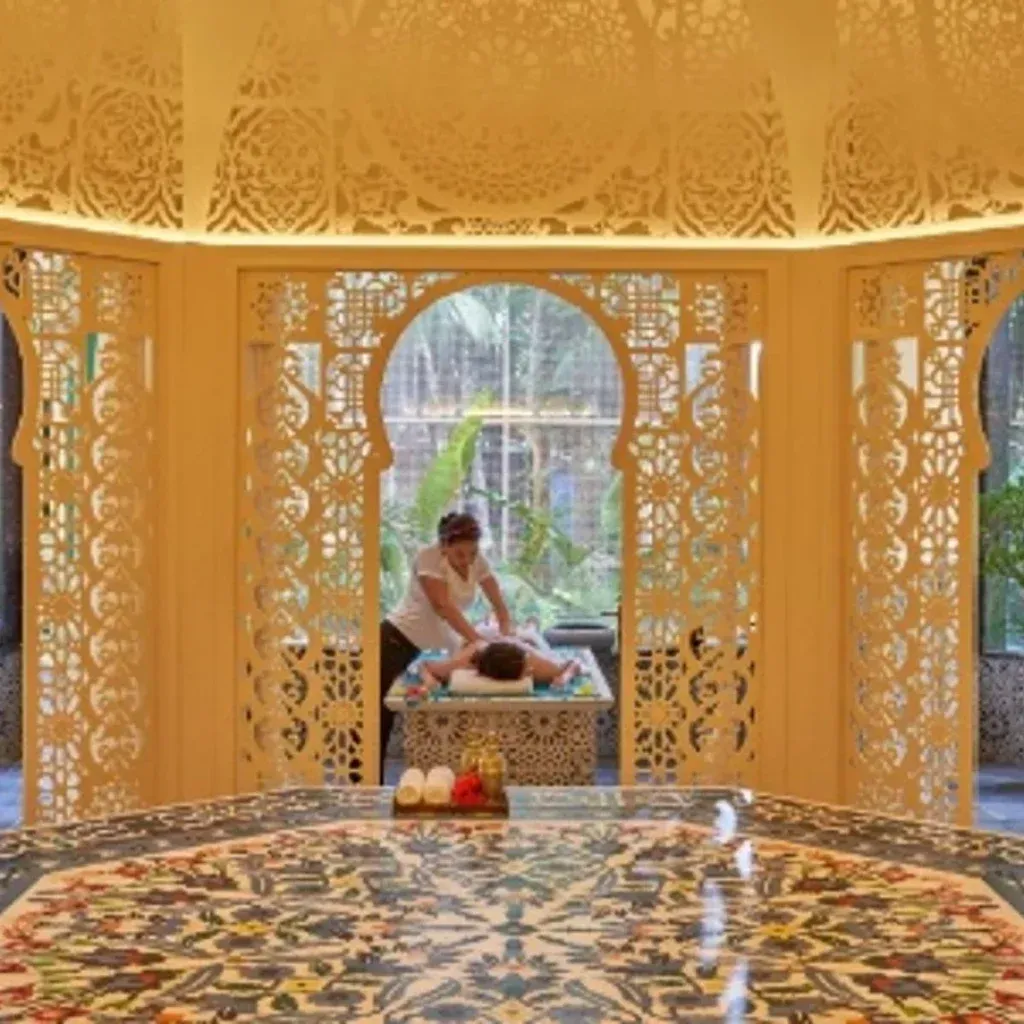
Turkish Hammam Etiquette illuminates more than posture and dress; it opens a doorway into a centuries-old ritual of cleansing, courtesy, and cultural respect. As you enter a hammam, the architecture, warmth, and echo of history invite mindful participation rather than hurried sightseeing. This guide highlights practical do’s and don’ts—from preparation and attire to the kese exfoliation technique and respect for privacy. To make the most of the experience, travelers should be aware of pestemal etiquette, tipping norms, and the tellak and natır etiquette. By embracing these traditions, visitors can enjoy the cleansing heat, soothing steam, and subtle social rituals that define a genuine Turkish bath.
From a broader perspective, the Turkish bath tradition can be described as a holistic spa ceremony rooted in Ottoman architecture and communal hospitality. As a useful hammam etiquette guide, visitors learn to navigate heat, steam, and social cues with care for others. Alternative terms like Turkish bath culture, steam-room rituals, and pestemal practice highlight how etiquette evolves with place and staff. The tellak and natır etiquette, along with kese and soap rituals, underscore respectful interaction and appropriate boundaries in mixed or gender-specific settings.
Turkish Hammam Etiquette: A Respectful Guide to Public Bath Rituals
Turkish Hammam Etiquette is more than a set of rules; it’s a doorway into a timeless ritual that blends cleansing, social courtesy, and cultural respect. When you step into a hammam, you enter a space where architecture, history, and hospitality meet, and the goal is to slow down, reflect, and participate with reverence. Framing your visit as a communal ritual helps everyone enjoy the heat, steam, and gentle cleansing that define the experience. This approach aligns with Turkish bath etiquette and serves as a practical guide to respectful behavior.
Understanding the ritual’s rhythm—from warm rooms to hotter cleansing spaces—helps guests move with the flow rather than forcing preference. The aim is mindful presence, quiet conversation, and awareness of others in the space. Following the hammam etiquette guide ensures modesty, proper interaction with tellaks and natırs, and a smoother experience for all participants.
Pestemal Etiquette and Attire: Dressing for Comfort in the Hammam
Most hammams require the pestemal wrap—a lightweight cotton towel or scarf—that provides modest coverage while allowing airflow in the steam. Embracing pestemal etiquette means choosing how to wrap comfortably, tucking it securely at the hips or around the torso, and avoiding revealing swimwear in traditional settings. Following local norms helps you blend into the space and keeps the focus on cleansing and relaxation.
Feet, hair, and fragrance also matter. Tie back hair to prevent it from dragging in the water, shower before entering, and avoid heavy perfumes that can irritate others in steam. If you’re unsure about a facility’s dress code, asking staff is part of the etiquette and reflects respect for the shared environment.
The Kese Exfoliation Technique: The Signature Cleansing Ritual
The kese exfoliation technique is a hallmark of the hammam experience. The attendant uses a rough exfoliating glove to remove dead skin in firm, controlled strokes, aided by soap or oil for lubrication. Proper technique means thorough cleansing without pain, and guests should communicate any sensitivities or medical concerns before the scrub begins. Observing patience during this step helps the body adjust to the heat and the rhythm of the movement.
If you’re new to kese, you can request a demonstration or observe the process briefly. After exfoliation, the body is rinsed with warm water and prepared for a soap wash that follows with a gentle massage or rinse. The kese is both a cleansing ritual and a moment to settle into the hammam’s tranquil pace.
Tellak and Natır Etiquette: Respectful Interactions with Attendants
In Turkish hammams, tellaks (male attendants) and natırlar (female attendants) perform cleansing rituals and massages. Tellak and natır etiquette emphasizes courteous address, consent, and awareness of boundaries. When an attendant arrives to help with kese or a massage, acknowledge them with a nod or a simple ‘teşekkür ederim’ and share your comfort level before the procedure begins. Being clear about intensity, pressure, and areas to avoid helps everyone participate with dignity.
In mixed or gender-specific spaces, follow the designated sections and signage, and respect staff directions. Avoid assuming familiarity or pressuring others into interactions, and use polite Turkish phrases where possible to express gratitude. A calm, respectful attitude enhances the experience for both guests and attendants.
Hammam Etiquette Guide for First-Timers: Do’s, Don’ts, and Cultural Respect
For first-timers, a hammam etiquette guide can ease anxiety and maximize enjoyment. Do arrive with time to acclimate—plan for 2–3 hours to experience the rooms, exfoliation, and cleansing at a comfortable pace. Do shower before entering, do remove shoes at the entrance, and do carry a small change of clothes and coins for tipping, a common way to acknowledge good service.
Don’t rush, don’t wear jewelry or strong fragrances, and don’t disrupt others’ space. Modesty and privacy are central to the experience—wear the pestemal properly, observe the quiet atmosphere, and let attendants know if you prefer a lighter touch or wish to skip certain steps like aggressive exfoliation. After the session, hydrate, apply moisturizer, and reflect on the cultural context that makes Turkish baths a living tradition.
Frequently Asked Questions
What is pestemal etiquette in a Turkish Hammam, and how should I wear the pestemal during Turkish bath etiquette?
Pestemal etiquette involves using a lightweight cotton pestemal to cover modestly. Wrap it around the hips or torso and adjust for comfort; avoid revealing swimwear in traditional hammams. Some facilities provide an extra towel for draping. If unsure, ask staff. Adhering to pestemal etiquette helps maintain modesty, cleanliness, and a respectful atmosphere for all guests.
How does the kese exfoliation technique fit into hammam etiquette guide, and what should I expect from the exfoliation?
The kese exfoliation technique is a central cleansing ritual in Turkish hammams. The attendant uses firm but controlled strokes with lubrication from soap or oil. If you’re new, observe briefly or ask for a demonstration, and communicate your comfort level to adjust pressure. Privacy and consent are important; you can decline or request a gentler touch if needed.
Who are the tellak and natır, and what is their etiquette during a Turkish hammam visit?
Tellak (male attendant) and natır (female attendant) perform cleansing rituals and massages. In mixed or gender-segregated settings, follow the designated sections for your gender and address attendants with courtesy (for example, a simple greeting and thank you). Respect professional boundaries and privacy throughout the interaction, aligning with tellak and natır etiquette.
What are the do’s and don’ts of attire, privacy, and behavior under Turkish bath etiquette?
Do wear a pestemal and shower before entering the main areas; tie back hair and avoid strong fragrances or jewelry. Don’t wear revealing swimwear in traditional hammams, don’t be loud, and don’t assume private spaces—follow staff directions and gender-specific signage. Maintain modesty, keep conversations quiet, and respect others’ privacy to uphold Turkish bath etiquette.
What should first-timers know from the hammam etiquette guide about timing, tipping, and respectful interactions?
Plan for a 2–3 hour visit to enjoy the full ritual. Tipping is customary and should be modest, given after the session or for extra services. Communicate preferences to staff, stay hydrated, and observe local norms and phrases (e.g., Turkish basics) to foster respectful interactions. Following the hammam etiquette guide ensures a calm, culturally mindful experience.
| Topic / Aspect | Key Points (Summary) | Practical Tips |
|---|---|---|
| What is a Turkish Hammam? |
|
|
| Attire and Preparation |
|
|
| Entering and Starting the Bath Ritual |
|
|
| Exfoliation & Massage Etiquette (Kese, Tellak, Natır) |
|
|
| Hygiene, Privacy, and Respect |
|
|
| Tipping & Cultural Considerations |
|
|
| Common Mistakes to Avoid |
|
|
| Tips for First-Timers |
|
|
Summary
Turkish Hammam Etiquette is the framework that ensures a respectful, enjoyable, and culturally mindful experience for every guest. From attire choices and the ceremonial kese to the roles of tellak and natır, following these practices helps you connect with centuries of tradition while smelling the soothing aroma of olive oil soaps and feeling the warmth of the hammam’s stones. As you enter, remember that you are participating in a communal ritual where calm behavior, modesty, and courtesy create the best possible atmosphere. With preparation, awareness, and a willingness to adapt to local norms, your Turkish bath experience can be deeply relaxing, culturally enriching, and truly memorable.