
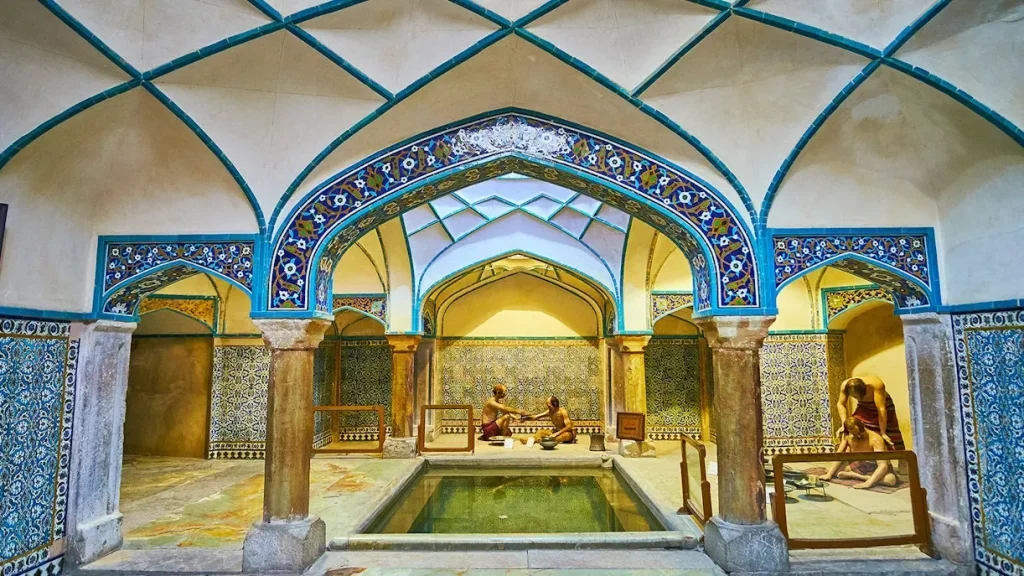
Turkish Hammam Architecture reveals a centuries-old language of space where geometry, heat, and atmosphere converge to elevate daily cleansing into ceremony. In its most refined expressions, the design anchors ritual through domed ceilings, sweeping arches, mosaic tilework, and marble surfaces that catch light and soften shadows. The surrounding architecture shapes the hammam atmosphere, guiding visitors through a thoughtful sequence that balances quiet reverence with subtle social warmth. Core design elements—raised platforms, benches, water basins, and carefully oriented skylights—work with moisture, acoustics, and thermal mass to create a tactile, immersive environment. Viewed as a tangible expression of heritage hospitality, these spaces weave history with modern wellness, inviting reflection without sacrificing community.
Viewed through a broader lens of cultural heritage and wellness architecture, these bath complexes demonstrate how climate control, moisture management, and space planning reinforce ritual cadence. Scholars describe the style with terms like ceremonial baths from the Ottoman era, and designers often reference medina textures, columnar rhythms, and symmetry as cultural grammar. In contemporary venues, the old sequence of warm, transitional, and cleansing spaces informs how spaces can be inclusive, accessible, and comfortable without losing ritual meaning. Contemporary materials—polished stone, engineered timber, and glass-and-steel accents—are deployed to preserve humidity balance, enhance light diffusion, and support sustainable, low-maintenance operations. Across continents—from historic public baths to modern wellness retreats—the architectural language continues to guide space-making that honors tradition while embracing human-scale comfort. This cross-cultural vocabulary, enriched by historical references and modern material science, guides designers toward spaces that feel timeless yet inclusive.
Turkish Hammam Architecture: Visual Language, Materials, and Spatial Rhythm
Turkish Hammam Architecture communicates its meaning first through a visual vocabulary built from marble, domed ceilings, and carefully orchestrated geometry. The pallid, cool surfaces of marble underfoot contrast with warm lighting and reflect soft light across benches and the central washing platform, creating a luminous, almost ethereal atmosphere even in the warmest rooms. The domes and vaulted ceilings are more than decorative; their curvature helps manage moisture and sharpens acoustics, guiding ritual movements with a quiet, reverent cadence.
This visual language is complemented by Iznik-inspired tilework, geometric and floral motifs that offer micro-scenes of beauty without interrupting spatial rhythm. Brass or copper fixtures add warmth and a subtle glow that stands out against white or ivory stone. Together, the materials, light, and geometry craft a timeless calm that anchors Turkish spa culture in a setting that feels both ceremonial and intimate.
Hammam Design Elements: Marble Surfaces, Benches, and Central Plinths
The design elements of a hammam are arranged to support both cleansing rituals and social engagement. The raised marble platform or plinth is the heart of the space, hosting washing and massage procedures, while surrounding benches create intimate zones for conversation and relaxation. Water basins and troughs punctuate the layout as focal points for cleansing, inviting a flow of activities that moves visitors through the ritual sequence.
Heated floors beneath marble deliver a gentle warmth that rises to meet the body, a hallmark of hammam comfort. Texture and grip are carefully considered to maintain safety in humid conditions, and light plays across tile and stone to emphasize tactile cues—smooth edges, chamfered steps, and seamless transitions—that signal where to stand, sit, or lean. These design elements work together to foster a multi-sensory experience grounded in centuries of practice.
Ottoman Bath Architecture: Historical Context and Spatial Transitions
The hammam’s form arises from Ottoman bath architecture, a tradition that evolved from Roman and Byzantine precedents while absorbing Persian and North African influences. Large communal spaces, a sequence of heated rooms, and a water-centric social ritual define the typology. Iznik tiles, calligraphic inscriptions, and carefully sourced stone convey cultural meaning, status, and a sense of belonging within the bathhouse.
Even as modern facilities adopt contemporary technologies, designers frequently reference Ottoman bath architecture to preserve identity and continuity. The resulting spaces blend traditional motifs with updated comfort and accessibility, ensuring that the architectural language remains legible to visitors while accommodating today’s diverse needs. This continuity reinforces how architecture can honor heritage while remaining relevant.
Hammam Atmosphere: Light, Sound, and Ritual Pace
Atmosphere is inseparable from the hammam’s cultural function. Quiet, candle-like lighting softens marble edges and tile seams, transforming the space into a sanctuary rather than a purely utilitarian room. The soundscape—water, footsteps on stone, the gentle movement of towels—creates a choreography that deepens focus and reverence, inviting visitors to slow down and be present.
Ritual pace is a core design consideration; architecture guides a sequence that unfolds at the breath’s tempo and conversation’s natural cadence. The layout supports sociability while preserving pockets of privacy, balancing communal activity with personal restoration. This balance—between shared rite and individual calm—has long been a defining feature of Turkish spa culture and remains central as the experience translates into contemporary settings.
Turkish Spa Culture in Modern Reinterpretations of Hammam Design
Today’s spa designers borrow from Turkish Hammam Architecture to honor heritage while meeting modern expectations for comfort, accessibility, and efficiency. Modern hammams may integrate energy-efficient climate control, improved ventilation, non-slip surfaces, and modular layouts that adapt to varying visitor flows, yet the core principles—thermal comfort, moisture management, and a calm, contemplative atmosphere—remain intact.
The challenge for contemporary designers is to reconcile old-world beauty with new-world practicality, preserving the ritual value while welcoming a diverse audience. By reinterpreting traditional motifs and spatial arrangements, modern spaces can sustain the hammam’s sense of hospitality and communal well-being, extending Turkish spa culture into progressive, wellness-focused environments.
Frequently Asked Questions
What defines Turkish Hammam Architecture and its key design elements?
Turkish Hammam Architecture is defined by domed or vaulted ceilings, luminous marble surfaces, Iznik tilework, and a deliberate sequence of spaces that guide ritual steps. A central raised platform, heated floors, and carefully arranged benches embody Ottoman bath architecture and reinforce Turkish spa culture.
How do hammam design elements shape the hammam atmosphere?
Hammam design elements create a hushed, ceremonial atmosphere through warm lighting, moisture management, marble’s cool touch, and water acoustics. Tile patterns add visual warmth, while brass or copper fixtures catch the light, contributing to an atmosphere that aligns with Turkish spa culture.
What is the typical spatial logic of a Turkish Hammam?
The space unfolds in a sequence of rooms that move visitors through temperature zones: warm or humid preparation areas, transitioning to hotter or cooler spaces, and returning to social or cleansing zones. A central marble platform and surrounding benches, with skylights for balanced light, reflect Ottoman bath architecture and facilitate ritual pace.
Which materials and craft define Turkish Hammam Architecture and why?
Marble dominates for durability and tactile contrast in humid settings, complemented by Iznik tiles and brass or copper fixtures. Skilled joints and finishes ensure smooth, non-slip surfaces and long-lasting beauty, supporting the overall sensory experience integral to Turkish spa culture.
How are modern designers reinterpret Turkish Hammam Architecture for today’s spa spaces?
Contemporary designers preserve the core principles—thermal comfort, moisture management, and a calm atmosphere—while adding energy-efficient climate control, improved ventilation, modular layouts, and accessible, non-slip surfaces. These changes keep the hammam atmosphere and Turkish spa culture relevant in modern wellness environments.
| Aspect | Key Points | Notes / Examples |
|---|---|---|
| Visual language | Marble dominates interior; domed ceilings for moisture and acoustics; Iznik-inspired tilework; warm metallic fixtures; pale/light-reflecting surfaces. | Color palette: white/ivory with blues, greens, or terracotta; lighting enhances luminosity of marble. |
| Core design elements and spatial logic | Sequence of rooms guiding temperature changes; central raised marble platform; surrounding benches; water basins; heated floors; skylights/windows for natural light and privacy. | Spatial flow supports ritual steps and social interaction; moisture management is central. |
| Atmosphere | Soft candle-like lighting; subtle water sounds; reverent hush; ritual pace aligned with breath and conversation. | Balance between sociability and privacy; Ottoman-era design language persists in modern reinterpretations. |
| Materials, craft, and tactile cues | Marble offers cool touch and light reflection; hand-painted or inlaid tile patterns; brass/copper fixtures for warmth and ritual feel. | Finished joints, glazes, and chamfered steps emphasize longevity and tactility in humid environments. |
| Historical context & Ottoman influence | Rooted in Ottoman tradition; influences from Roman, Byzantine, Persian, and North African baths; Iznik tiles and inscriptions convey cultural meaning. | Modern facilities reference heritage while incorporating contemporary comfort and technology. |
| Modern reinterpretations & design implications | Energy-efficient climate control, improved ventilation, non-slip surfaces, modular layouts. | Core principles—thermal comfort, moisture management, calm atmosphere—remain central in contemporary spa design. |
| Practical insights for observing Turkish Hammam Architecture | Note space sequence, light entry (skylights, lanterns), scale of central platform, water flow, acoustic hush, emotional feel. | Observations reveal how design supports hospitality, ritual care, and communal well-being. |
| Cultural significance | Hammam as a social ritual: hospitality through care, conversation, and shared routines. | Architecture shapes behavior and memory, linking motifs to cultural identity and communal life. |