
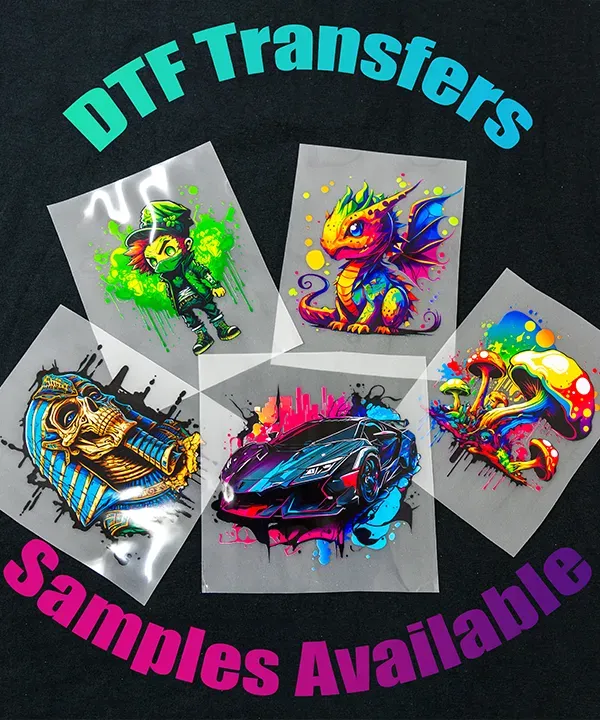
DTF transfers have transformed the way designers and print shops approach garment decoration. As a bridge between traditional screen printing and digital workflows, Direct-to-film printing offers vibrant color, durability, and flexibility across fabrics. This accessible workflow can be scaled from small hobby projects to full production lines, delivering consistent results with manageable equipment and clear best practices for reliable production and predictable outcomes. With the right setup, you can explore bold artwork, fine details, and full-color designs on a variety of textiles that suit both rapid prototyping and durable production. This guide is designed to help beginners and pros alike.
Within the broader realm of garment decoration, this approach is often described as film-based transfers or printer-to-fabric applications, using a carrier film, heat-activated adhesive, and tailored inks. Designers leverage digital artwork to produce premium images that can be applied to light and dark textiles with strong color fidelity. The workflow emphasizes precise calibration, consistent press temperature and time, and careful powder curing to ensure durable, wash-fast results. This method sits between traditional screen printing and direct-to-garment processes, offering flexibility for short runs, on-demand orders, and expanding customization options for brands and makers.
DTF Transfers: Understanding What They Are and Why They Matter
DTF transfers are a bridging technology that connects traditional screen printing with modern digital workflows, enabling designers and shops to achieve bold color and detailed graphics on a wide range of fabrics. In practice, Direct-to-film printing and its transfers deliver a scalable path to high quality DTF prints without long setup times of screen printing.
The process begins by printing on DTF film using water based inks, often with white ink layered first for dark fabrics, followed by an adhesive powder that is cured before heat transfer to fabric. When people refer to Direct-to-film prints, they describe a workflow that yields strong color density, crisp edges, and compatibility with many textiles.
Direct-to-Film Printing: Equipment Essentials for a Reliable DTF Printer Setup
A reliable DTF printer setup depends on true white ink capability, quality DTF film, adhesive powder with good adhesion, and a stable heat press. Investing in a good Direct-to-film printing engine helps ensure consistent results and reduces clogging or color shifts that hamper high quality DTF prints.
Complement the hardware with robust RIP software or printer drivers to manage color profiles, ink densities, and print resolutions so Direct-to-film printing remains predictable across runs.
Transfer Techniques for High-Quality Direct-to-Film Prints
Transfer techniques cover the entire workflow from the white underbase to the final peel, including how the powder adheres to the ink and how long to cure before transfer.
Practices such as pre pressing, choosing appropriate temperatures and dwell times, and deciding hot versus cold peeling affect the final look of Direct-to-film prints and their durability.
Color Management and Resolution in Direct-to-Film Printing
Color management and resolution are central to achieving vibrancy and detail in Direct-to-film printing. Calibrate regularly, select suitable color profiles, and aim for 600 to 1200 dpi on film depending on design complexity.
Also consider the fabric type, light fabrics versus dark fabrics, and the role of a white underbase to maintain fidelity in Direct-to-film prints across garment colors.
Maintenance, Scaling, and Best Practices for a Robust DTF Workflow
Maintenance and scaling are essential to keep a DTF workflow productive. Clean print heads, inspect film paths, and verify heat press calibration as you increase production volume.
Planning for growth means evaluating larger film formats, higher capacity powders, and more capable RIP software, all while preserving consistency in Direct-to-film printing and the quality that clients expect from DTF transfers.
Frequently Asked Questions
What are DTF transfers and how does Direct-to-film printing work in practice?
DTF transfers are a transfer technique that prints designs onto a film using water-based inks, then applies adhesive powder and heat to bond the image to fabric. In Direct-to-film printing, a DTF printer lays down CMYK inks (and often white) on the film, the powder is applied and cured, and the design is pressed onto the garment with a heat press. This workflow delivers vibrant color, fine detail, and broad fabric compatibility, making it a popular option for high-quality DTF prints.
What equipment do I need to achieve high-quality DTF prints?
To achieve high-quality DTF prints, you’ll need a reliable DTF printer (ideally with true white ink for dark fabrics), DTF film compatible with your inks, adhesive powder, a heat press, and RIP software or printer drivers for color management. Regular maintenance and using compatible materials are also essential for consistency. This setup supports durable Direct-to-film prints with strong color fidelity.
How can I optimize color accuracy and detail in Direct-to-film prints?
Focus on color management and resolution: calibrate the printer, use a robust color profile, and run test prints to fine-tune color reproduction. Use a print resolution of 600–1200 dpi for film printing to preserve sharp details, especially in small text or gradients. If printing on dark fabrics, ensure a solid white underbase to achieve vibrant, high-quality DTF prints.
Can DTF transfers be used on both dark and light fabrics, and what role does the white underbase play in Direct-to-film prints?
Yes, DTF transfers work on light fabrics and, with a white underbase, on dark fabrics as well. The white layer in Direct-to-film printing helps colors stay vivid on darker textiles, contributing to high-quality DTF prints and reliable coverage across different fabric types.
What are common troubleshooting steps for DTF transfers to avoid issues like halos or peeling?
Common issues include white halos, cracking, fading after washing, and powder shedding. Fixes include ensuring complete white underbase coverage, adjusting powder curing and pre-press time, verifying the correct heat press temperature and dwell time, and keeping the film path clean to prevent powder shedding. Regularly test and adjust ink density and color management to maintain consistent, high-quality results.
| Aspect | Key Points |
|---|---|
| What are DTF transfers? | DTF transfers are a transfer technology that prints designs onto a specialized film with water-based inks, applies an adhesive powder, cures, and then uses heat to transfer the image to fabric. |
| Why choose DTF transfers? | DTF transfers balance image quality, production speed, and fabric compatibility; prints resemble dense screen-printed color and work on light and dark fabrics with good wash durability. |
| Core components of a DTF workflow? | DTF printer (CMYK + white), DTF film, adhesive powder, heat press, and RIP software or printer driver. |
| From design to transfer: steps | Prepare design; print on film (white underlay if needed); apply and cure adhesive powder; pre-press garment; transfer with heat; peel and finish. |
| Choosing the right equipment | Reliable DTF printer with true white ink, compatible film and powder, stable heat press, and solid color management (RIP). |
| Optimizing for high-quality DTF prints | Focus on color accuracy, resolution (600–1200 dpi for film); white underbase for dark fabrics; consistent powder curing; test on swatches. |
| DTF vs other methods | DTF sits between DTG and screen printing: versatile for small-to-medium runs, with strong color, durability, and easier reprints. |
| Fabric considerations and care tips | Choose fabrics that respond well to heat; use white underbase on dark fabrics; wash inside out, low heat dryer, mild detergents; test before large runs. |
| Troubleshooting common issues | White halos — ensure white underbase coverage; cracking/peeling — adjust pre-press, heat, and curing; fading — revise color management; powder shedding — cure fully and keep film path clean. |
| Maintenance, costs, and scaling | Regular maintenance, consider material costs, and plan for scaling with larger film formats, higher-capacity powders, and better RIP tools. |
Summary
DTF transfers offer a compelling path to high-quality direct-to-film prints with strong color fidelity, durability, and versatility across fabrics. By understanding the core workflow—from design and printing to powder application and heat transfer—you can achieve professional results with a relatively approachable setup. Focus on proper color management, consistent curing, and fabric testing to maximize the impact of your Direct-to-film printing projects. Whether you’re producing a single custom garment or launching a small-to-medium run, mastering the transfer techniques behind DTF transfers will empower you to deliver vibrant, lasting designs that clients and customers will love.