
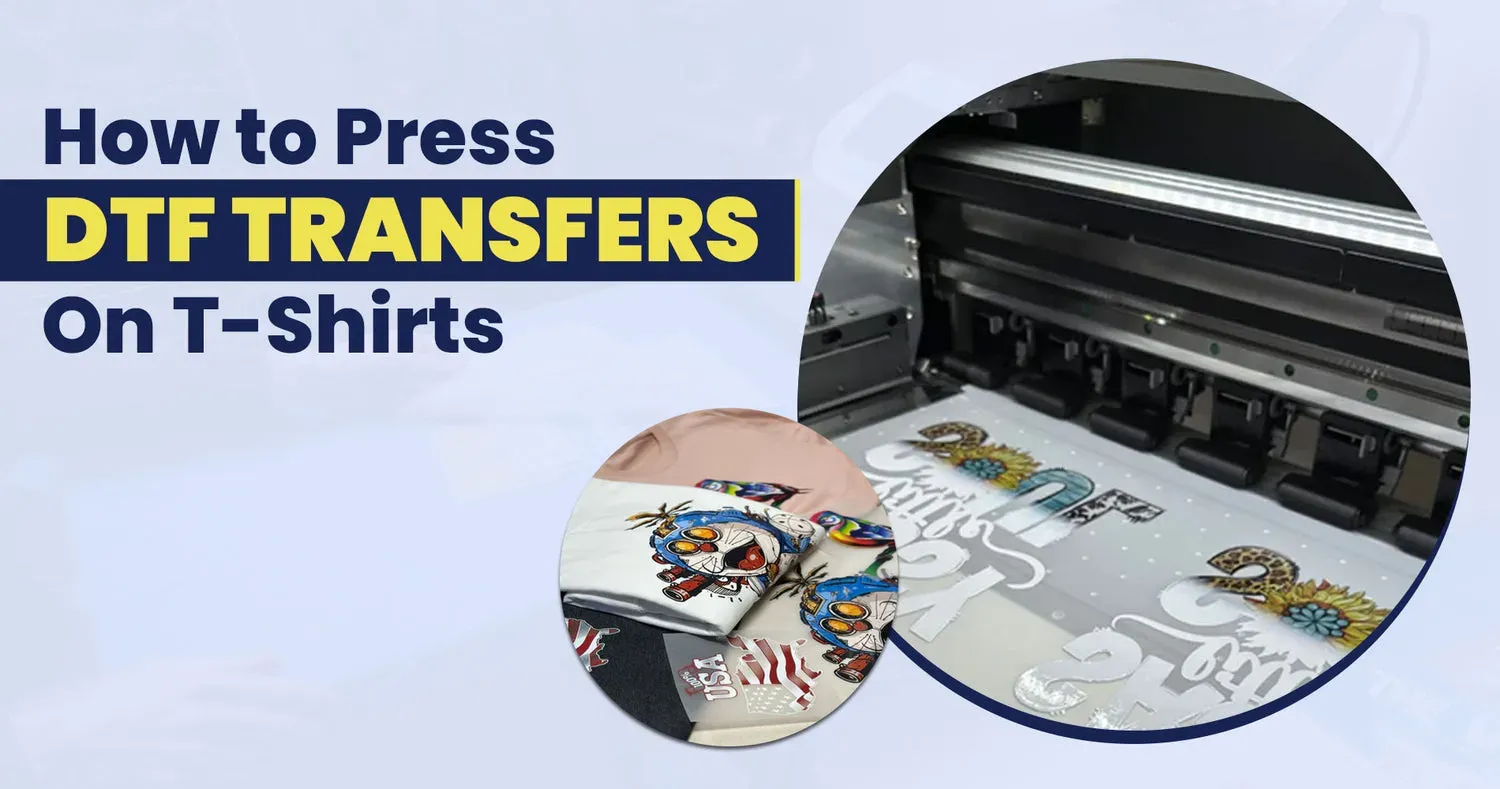
DTF transfers are reshaping how designers and small shops approach custom apparel, with direct-to-film printing offering fast, vibrant results. In this method, DTF inks are laid down on PET film using DTF printers, with a white layer added where needed to preserve color on dark fabrics. The DTF transfer process then applies adhesive powder, cures it, and transfers the image to fabric under heat and pressure, yielding durability and strong washability. Compared with other techniques, DTF often provides broader fabric compatibility and simpler color management, making it a practical option for small businesses. Whether you’re launching a new line or refining an existing workflow, mastering these steps can maximize color fidelity, durability, and overall transfer quality.
From a film-based transfer approach to modern textile printing, this technique leverages PET carrier film and specialized inks to impart designs onto shirts and hoodies. Instead of ink soaking into the fabric, the color sits on the surface as a durable layer through the film-to-fabric bond created by heat and pressure. Practically, shops evaluate equipment like high-output printers, color-managed inks, and reliable powder adhesives to ensure consistent results across garment types. As the market for customizable apparel grows in 2026, professionals explore various workflows that combine crisp image quality with efficient production—and shops of all sizes can benefit.
Understanding Direct-to-Film Printing: The Foundation of DTF Transfers
Direct-to-film printing serves as the backbone of modern fabric customization, enabling designers to place intricate, vibrant images onto a PET film before moving them onto textiles. The process starts with digital artwork prepared at high resolution and color-accurate profiles, then printed with a combination of white and color inks on a specialty film. This approach preserves sharp detail and color fidelity, especially on dark or colored fabrics, by letting white ink provide a solid base where needed.
From a workflow perspective, direct-to-film printing is followed by powdering, curing, and heat transfer to the garment. The ink sits on the film rather than embedding into fabric fibers, which means color management and layer sequencing matter for final appearance. When executed correctly, the result is bright, durable graphics that work across cotton, blends, and synthetics with relatively simple color layering compared to other methods.
DTF Inks and Their Role in Vivid, Durable Designs
DTF inks, including specialized white formulations, are designed to pair with the film and adhesive powder to produce bold, high-contrast imagery. The white layer is essential for achieving vibrant colors on dark fabrics, while the color inks reproduce gradients and fine details with solid adhesion. Ink chemistry, particle size, and curing behavior all influence wash durability and colorfastness.
Effective color management hinges on using ICC profiles, calibrated proofing, and consistent ink performance across batches. Selecting the right DTF inks for your printer and fabric types helps maintain color accuracy from proof to production. Compatibility between inks, film, and powder is critical to avoid issues like color shifts, flaking, or reduced wash life.
Choosing the Right DTF Printer and Film for 2026
Selecting a DTF printer involves weighing throughput, reliability, and maintenance support. Modern DTF printers boast faster print speeds, enhanced color gamut, and improved white ink recovery, all of which impact production efficiency and margin. Pairing the printer with compatible DTF film ensures the printed designs transfer cleanly and consistently, reducing waste and reprints.
In 2026, manufacturers and shops also evaluate film compatibility with adhesive powders and curing equipment. A well-matched setup—printer, inks, film, and powder—yields predictable results across varied fabrics and orders. Consider total cost of ownership, service availability, and replacement part accessibility to minimize downtime during peak periods.
Optimizing the DTF Transfer Process for Consistent Results
The DTF transfer process encompasses design, printing, powdering, curing, and heat pressing. Each step influences final quality, from print alignment to adhesive effectiveness. Ensuring proper board-to-film alignment and accurate color profiles helps prevent misregistration and color inconsistencies across batches.
To maximize results, operators should test temperature and time settings for different fabrics and simulate production runs. Typical guidelines suggest moderate heat and pressure, with temperature ranges around 315-325°F (157-163°C) for 15-20 seconds as a starting point, followed by a controlled curing and post-press check. Regular testing and documentation support reproducible outcomes across various projects.
Quality Assurance and Care: Extending the Life of DTF Transfers
Quality assurance for DTF transfers focuses on color integrity, adhesion, and durability through realistic wear scenarios. Establishing proofing protocols and fabric-specific ICC profiles helps ensure proofs translate accurately to production. Consistent equipment calibration, proper white ink management, and reliable powder adhesion all contribute to longer-lasting graphics.
Care guidelines play a crucial role in durability. Advising on recommended washing temperatures, avoiding aggressive heat, and performing fabric pre-treatments when needed can preserve vibrancy. A robust maintenance routine for the printer, films, and powders reduces the risk of edge peeling, color fading, or softening of the transfer over time.
Frequently Asked Questions
What are DTF transfers and how does the direct-to-film printing workflow work?
DTF transfers are prints created on a PET film using the direct-to-film printing process. The workflow typically includes designing at high resolution, printing with white ink (when needed) and color inks on the film, applying adhesive powder, curing the powder, and transferring the image to fabric with a heat press. This method offers vibrant, detailed designs across fabrics and is flexible for various apparel projects.
How do DTF inks affect color vibrancy and wash durability in DTF transfers?
DTF inks—especially the white ink layer for dark fabrics—drive color vibrancy and accuracy in DTF transfers. Proper curing and a well-matched adhesive powder enhance bond durability, while color inks reproduce sharp hues. Using reliable DTF inks and maintaining the correct transfer parameters helps ensure long-lasting results.
What should I consider when choosing a DTF printer for successful DTF transfers in 2026?
When choosing a DTF printer, prioritize reliable white ink performance, compatibility with your DTF inks and film, and solid support for maintenance. Also evaluate print speed, color management capabilities, and the printer’s integration with ICC profiles to ensure consistent results across fabrics. A good DTF printer choice helps maximize color accuracy and workflow efficiency.
Can DTF transfers be used on different fabrics, and what adjustments are needed for the transfer process?
DTF transfers work on cotton, cotton blends, polyester, and many synthetics. Fabric type influences the transfer process, often requiring adjustments to temperature, dwell time, and pressure. It’s best to test proofs on representative fabrics to optimize results and ensure durability.
What are common troubleshooting steps for issues in the DTF transfer process?
Common issues include white ink problems, misalignment, and weak adhesion. Check white ink levels and priming, verify adhesive powder distribution, ensure proper film alignment, and adjust heat-press temperature and time. Conduct test runs on the target fabric to confirm color accuracy and bond before full production.
| Aspect | Key Points |
|---|---|
| What are DTF transfers? | Prints on PET film using direct-to-film printing with white ink when needed; adhesive powder is applied, cured, then the design is transferred to fabric with heat and pressure. Ink sits on the film for bright, detailed images across fabrics; white ink helps preserve vibrant color on dark fabrics. |
| DTF vs alternatives | Often broader fabric compatibility, less pre-treatment, and potentially lower costs for small–mid-volume runs. Compared to screen printing, DTF reduces setup time for multi-color designs; DTG may offer ultra-soft hand-feel on some cottons. Many shops use a hybrid approach depending on orders. |
| Core workflow | Design prep at 300–600 DPI; printing with white ink if needed, then full-color inks; powdering and curing; transfer with heat/pressure; peel and finish; final inspection. |
| Equipment & supplies | DTF printer; white and color inks; DTF film; adhesive powder; curing equipment; heat press; optional pre-treatment station. |
| Choosing printer & inks (2026) | Evaluate print speed, reliability, color management, white-ink performance, and film/powder compatibility; 2026 models emphasize speed, color gamut, and reliability. |
| Fabric prep & design considerations | Fabric compatibility (cotton, blends, polyester, synthetics); color management with ICC profiles; design resolution 300–600 DPI; ensure adequate white areas for dark fabrics. |
| Step-by-step guide | Prepare artwork (color profiles); load film; print with white ink if needed; apply adhesive powder and cure; transfer with heat press; peel when cool; post-press and inspect. |
| Quality, durability & care | Durability depends on curing, ink/powder quality, heat-press consistency, and care. Follow washing guidelines, test fabrics, pre-wash if needed, and avoid high heat to preserve longevity. |
| Troubleshooting | White ink issues; missing color or blurry edges; poor powder bonding; peel or lift after transfer. Check ink status, printer alignment, powder distribution, temperature/time, and pressure. |
| Market trends & considerations (2026) | Growth in small businesses; lower setup costs; emphasis on consistent quality; sustainability efforts; invest in reliable printers, inks, powders, and films; standardized workflows improve outcomes. |
| Real-world ROI tips | Tested design kits; cost-per-unit analysis; color-proof protocols; turnkey solutions; trained staff and documented processes for consistency and repeatable results. |
Summary
DTF transfers table summarizes the core concepts of direct-to-film printing, including its workflow, equipment, and considerations for 2026. The content highlights how DTF transfers compare with alternative methods and offers practical guidance for selecting tools, preparing fabrics, and troubleshooting to achieve durable, vibrant results.