
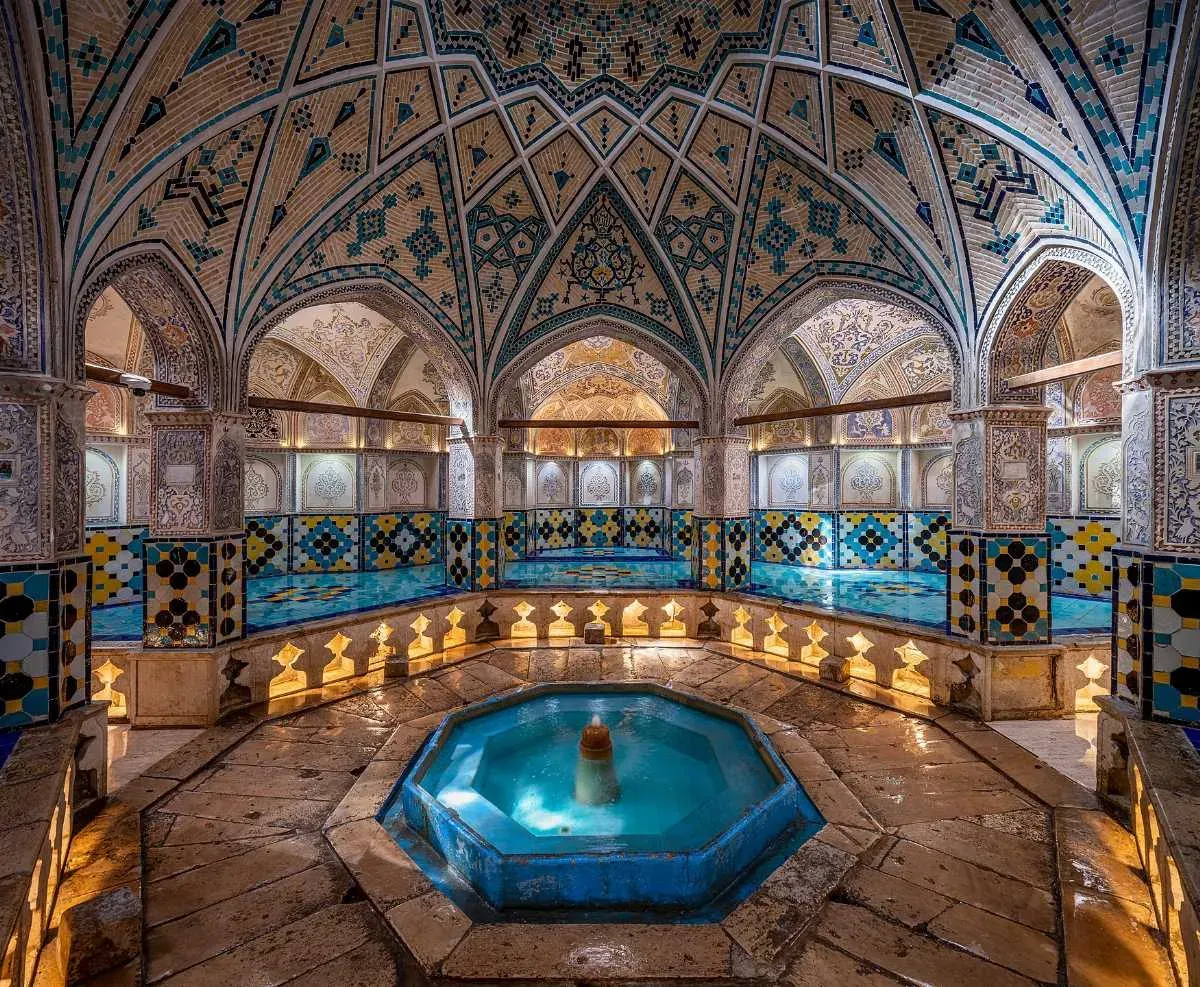
The Turkish Hammam stands as a timeless celebration of craft, culture, and ceremonial cleansing, rooted in Turkish hammam architecture that shapes every step of the experience. From the moment you step inside, a sequence of domed ceilings, warm marble, and softly lit spaces invites a sensory journey that marries aesthetics with ritual, and a sense of quiet reverence unfolds as you breathe, listen, and observe. The architecture choreographs movement: a series of progressively warmer rooms, with the göbek taşı at the heart of preparation, guiding visitors toward cleansing as a communal, mindful practice. In these environments, hammam design elements such as textured marble, subtle mosaics, and water features create a tactile and atmospheric map that supports relaxation, openness, and social connection for guests to linger and reflect on history. Ultimately, the Turkish Hammam embodies a steam bath tradition of cleansing, renewal, and hospitality that has endured across centuries, echoing in modern spa culture worldwide.
Viewed through different lenses, this enduring spa ritual can be described as an Ottoman bathhouse heritage, a traditional bathhouse custom rooted in communal cleaning and hospitality. In architectural terms, you’ll encounter domed interiors, marble slabs, and mosaic walls reimagined in modern wellness venues as a nod to historic spa culture. The broader concept encompasses steam-laden chambers, ritual cleansing sequences, and design that slows pace, encourages reflection, and fosters a shared sense of well-being. Across continents, the essence of this ancient bath experience informs contemporary spa design, from boutique facilities to restored bathhouses, proving that heritage and hospitality can coexist in today’s wellness landscape.
Turkish Hammam Architecture: Form, Function, and Atmosphere
Turkish Hammam architecture blends climate responsiveness with ceremonial purpose, creating spaces that feel both temple-like and practical. Domed ceilings diffuse light softly, while white marble surfaces and mosaic inlays reflect a luminous, almost spiritual quality that anchors the cleansing ritual in a sense of place. The göbek taşı, a central marble platform, acts as a tactile hub for washing and preparation, while surrounding heat sources and hydrotherapy stations turn architecture into an active participant in the experience. This is where Turkish hammam architecture intersects art and engineering, shaping a sensory journey that begins at the door and ends with renewal.
The space is carefully organized into progressively warmer rooms, guiding visitors through temperature, humidity, and sound. Alcoves, niches for oils and towels, and water outlets reinforce a rhythm that aligns with the steam bath tradition. Intricate tilework—geometric patterns, arabesques, and calligraphy—combines aesthetic nuance with mathematical precision, while marble’s cool touch counters heat and invites touch, cleansing, and reflection. In this way, architecture becomes a facilitator of ritual, hospitality, and timeless wellness.
Hammam Design Elements: Texture, Light, and Sensory Cues
Hammam design elements orchestrate a tactile and visual map for the cleaning ritual. Polished marble and matte stone contrast with delicate mosaic, offering varied textures that engage the sense of touch as guests move from heat to water. The floors are subtly pitched to channel fluids toward drainage, while wall patterns create a sense of order and rhythm that mirrors the discipline of the Turkish bath ritual.
Water and sound define the ambience: taps, basins, and the soft hiss of steam, paired with the clink of metal and the whisper of towels, compose an auditory landscape that accompanies sight and touch. Warm, diffused lighting highlights marble grain and tile sheen, elevating the space beyond utilitarian purpose. These design cues—together with copper or brass fixtures and olive oil soaps—embed the steam bath tradition in everyday luxury.
The Turkish Bath Ritual: Steps from Arrival to Renewal
The Turkish bath ritual unfolds as a sequence that balances physical cleansing with social etiquette. Visitors typically arrive in pestemal wraps and slippers, move into a warm room to acclimate, and begin the preparation that precedes washing. The kese exfoliating glove scrubs away dead skin, opening pores in a controlled, soothing manner and setting the stage for subsequent cleansing with olive oil soaps.
After exfoliation, foam massage and rinsing deepen the cleansing process, easing tension and stimulating circulation. The ritual usually culminates in a final cool rinse and a period of quiet relaxation, allowing body and mind to settle. Throughout, the steps reflect a shared heritage of hospitality and discipline, reinforcing why the Turkish bath ritual remains a cornerstone of authentic spa culture within the steam bath tradition.
Ottoman Bathhouse Legacy: Cultural Significance and Influence
Ottoman bathhouses were more than places to wash; they were civic and social hubs that fostered community, conversation, and cultural continuity. The architecture and ritual reflected broader patterns of Ottoman life, where hospitality, modesty, and ritual etiquette shaped everyday interactions. This legacy informs modern spa environments by privileging generous circulation, contemplative lighting, and materials that convey luxury without sacrificing warmth.
Designers and architects have drawn on Ottoman bathhouse traditions for centuries, translating sacred spatial language into contemporary hospitality. The enduring influence of the Ottoman bathhouse appears in plazas near mosques, market districts, and wellness centers worldwide, where the emphasis on space, sound, water, and light continues to guide authentic experiences. The cultural significance of this legacy helps readers understand why Turkish hammam architecture and hammam design elements endure as benchmarks in global spa design.
Modern Adaptations and Global Reverberations of the Turkish Hammam
Today’s wellness spaces blend heritage with innovation, preserving the core elements of the Turkish Hammam while introducing private suites, climate-controlled environments, and multilingual staff. Contemporary facilities often reinterpret the design language—sleek marble, tempered glass, and modern lighting—yet maintain the ritual’s essence, ensuring that the steam bath tradition remains accessible to global travellers seeking authentic experiences.
For visitors and practitioners, the modern approach offers tips that honor tradition while embracing convenience. Seek spaces that preserve domed ceilings, marble surfaces, and mosaic patterns, follow the ritual sequence from warm room to hot room to final rinse, and inquire about attendant training and hygiene standards. By respecting etiquette and history, guests can appreciate how Turkish hammam architecture and Turkish bath ritual adapt to today’s hospitality landscape, maintaining the balance between luxury and cultural authenticity.
Frequently Asked Questions
What defines Turkish Hammam, and what are the key features of Turkish hammam architecture?
Turkish Hammam is a ceremonial bath that blends architecture, heat, water, and cleansing into a social ritual. Key Turkish hammam architecture features include a sequence of progressively warmer rooms, a domed ceiling, white marble surfaces, mosaic tilework, and the göbek taşı as the ritual center. The design also reflects the steam bath tradition, emphasizing diffuse light and humidity to create a tranquil atmosphere.
How do hammam design elements support the Turkish bath ritual in practice?
Hammam design elements—texture, lighting, water basins, warm acoustics, and drainage—work together to guide guests through the ritual. The interplay of polished marble, tile patterns, copper fixtures, and controlled heat helps cue stages of cleansing, while sound and light encourage a meditative pace shared by visitors.
What is the traditional sequence of the Turkish bath ritual, and what roles do kese and soap play?
Traditional Turkish bath ritual follows arrival and preparation, acclimation in a warm room, kese exfoliation, foaming massage, and final rinse. The kese exfoliates dead skin, while olive oil or fragrant soaps create lather for cleansing and nourishment.
How does Ottoman bathhouse heritage influence modern spa spaces and the steam bath tradition?
Ottoman bathhouse heritage informs modern spas through architectural vocabulary—domes, marble, tilework—and the emphasis on hospitality and social cleansing. The steam bath tradition is preserved in the ritual sequence, while contemporary facilities adapt for comfort, accessibility, and efficiency.
What should visitors look for to experience an authentic Turkish Hammam, and how do hammam design elements signal authenticity?
Seek spaces that reflect Turkish Hammam architecture—domed ceilings, marble surfaces, mosaic tiling, and a clear ritual sequence led by trained attendants. Look for hammam design elements like warm, diffused lighting, accessible water basins, and traditional practices such as pestemal towels to signal authenticity.
| Section | Key Points | Notes / Examples |
|---|---|---|
| Architecture | Domed ceilings; hararet room; göbek taşı; marble surfaces; tilework; diffused light; climate-responsive design | Spaces formed by sequence of warmer rooms and a central ritual hub around göbek taşı; light and marble define ambience |
| Design Elements | Texture (polished marble, matte stone, mosaic); water basins and taps; warm lighting; acoustics; sloped floors for drainage; alcoves and outlets; copper/brass fixtures | Materials and details guide the cleansing ritual and sensory experience; water and sound shape pace |
| The Spa Ritual | 5-step sequence: Arrival; Warm room acclimation; Scrubbing (kese) and soap; Foaming/massage; Final rinse and cooling | Cultural etiquette and modesty emphasized; pestemal clothing commonly used |
| Cultural Significance | Ottoman heritage; civic center role; hospitality; etiquette; community | Influence on global spa traditions; ritual as social and cultural space |
| Modern Adaptations | Private suites; climate-controlled environments; modern interpretation of luxury; durable materials | Heritage preserved while offering contemporary comfort and accessibility |
| Practical Tips for Visitors | Follow authentic cues such as domed ceilings, marble surfaces, and tile patterns; respect the ritual sequence; inquire about attendants’ training and hygiene; follow modesty etiquette | Cultural context and staff guidance enhance authenticity and safety |
| Incorporating into Modern Spa Culture | Architects and designers borrow hammam language to craft serene spaces; emphasis on circulation, light, and materials; mindful cleansing | Approach informs a global trend toward slow living and authentic wellness experiences |
Summary
Turkish Hammam, mimari zarafet, tasarım inceliği ve ritüelin iç içe geçtiği zengin bir deneyim olarak öne çıkıyor. Bu yazı, mimari öğeler, tasarım unsurları ve ritüelin birleşik pratiği üzerinden Turkish Hammam'in mirasını ve günümüz spa kültürüne olan etkisini inceler. Geleneksel hamamlar kubbeli tavanlar, mermer yüzeyler ve ışık oyunlarıyla mekanda sakinleşmeyi öğütler; aynı zamanda toplumsal birliktelik ve misafirperverliğin bir ifadesidir. Modern spa tasarımında miras, sürdürülebilir malzemeler, akustikler ve ısı-dengesinin gözetilmesiyle yorumlanır; böylece ziyaretçiler hem kültürel köklerle bağ kurar hem de çağdaş konforun tadını çıkarır. Bu sentez, Turkish Hammam'in evrensel çekiciliğini ve kültürel zenginliğini yeni kuşak spa deneyimlerine taşıyan bir köprü kurar.