
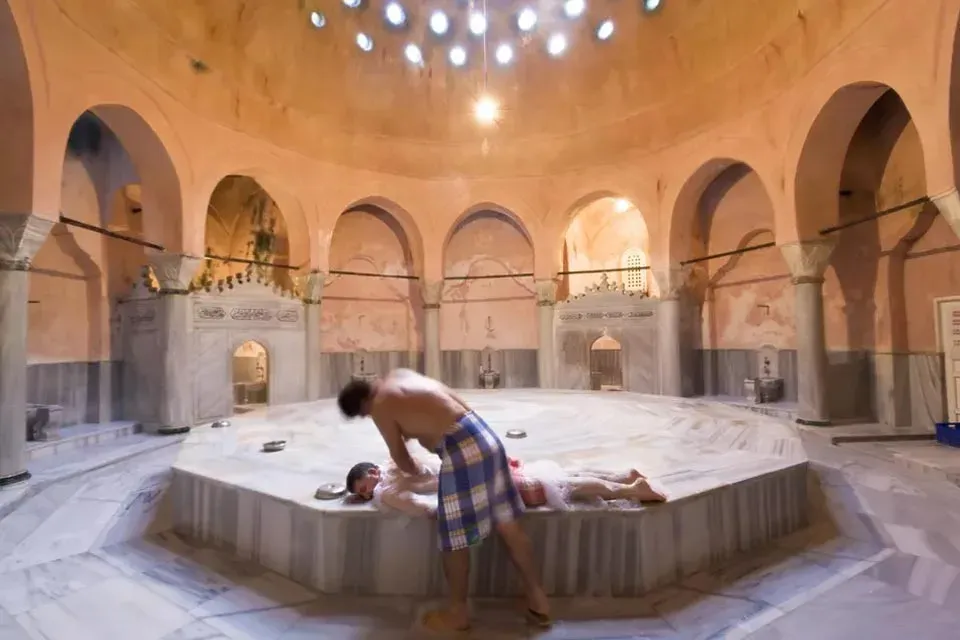
Turkish Hammam visit invites you into a steam-kissed, marble-warm world where centuries of hospitality meet modern wellness. Soft lighting, the whisper of water, and the glow of heated stones set the stage for a sensory journey that cleanses body and mind. To make the most of your experience, understand how to visit a hammam, while observing Turkish bath etiquette that honors tradition. The journey follows integral hammam ritual steps—from acclimation and steam to exfoliation and a final rinse—culminating in a soothing Turkish bath experience. With curiosity, respect, and patience, you’ll enjoy cleansing, relaxation, and a meaningful connection to a time-honored cultural practice.
Viewed through a broader lens, this traditional bathhouse ritual blends heat, steam, and ceremony across cultures that share the same calming aim. In many communities, visitors learn the proper etiquette, discover the sequence of cleansing rituals, and savor the sensory calm offered by a steam-filled chamber. Practices vary by venue—from modest bathhouses to contemporary spa complexes—yet the core flow mirrors a structured sequence of warm rooms, exfoliation, and rinsing. If you’re exploring alternatives, seek experiences labeled as steam bath ceremonies, hamam rituals, or Turkish bath experiences at reputable spa destinations. Approaching any version with respect and curiosity will reveal a shared heritage of cleansing, relaxation, and social warmth.
What to Expect During a Turkish Hammam Experience
Stepping into the hammam invites a sensory transition: warm air, soft lighting, and the gentle hiss of steam echoing off marble benches. The Turkish bath experience blends cleansing with a deep sense of relaxation, where subtle fragrances from olive soap and essential oils mingle with quiet conversation. If you’re curious how to visit a hammam, trained staff will guide you through the flow from arrival to final rinse so you can focus on the ritual rather than the logistics.
As you move through the spaces, you’ll encounter the staple hammam ritual steps: acclimation in the warm room, the exfoliating kese treatment, rinses, and optional massage. Each stage serves a purpose—opening pores, smoothing skin, easing tension—yet the pace remains personal, allowing you to savor the moment rather than rush to the next room. Remember that the core benefit is a refreshed body and a calmer mind, a hallmark of the Turkish bath experience.
Turkish Bath Etiquette: Dress Code, Tipping, and Respect
In traditional hammams, modesty and respect are central to Turkish bath etiquette. You’ll typically wear a pestemal (a lightweight towel or wrap) or a swimsuit depending on venue, and attendants will help you adjust as needed. Dressing and behavior are guided by local norms, so follow the staff’s cues and keep conversations low-key to maintain a peaceful atmosphere.
Mindful tipping and personal space are also part of etiquette. In public spaces, privacy and hygiene are prioritized, so use the locker area for belongings and avoid loud splashing or rough behavior. If you’re unsure about etiquette, ask staff at the desk before you begin, and observe how other guests interact in the shared spaces.
Hammam Ritual Steps: From Arrival to Final Rinse
Arrival to the heat is a deliberate sequence: you check in, store your items, and settle into a wrap as you prepare for the ritual. The next stop is the hararet, where steam and warmth begin to soften muscles and open pores—an essential part of hammam ritual steps.
Following the scrub with kese and olive oil soap, you’ll be rinsed in warm water and offered optional massage or body treatments. These steps reinforce cleansing, hydration, and relaxation, and you can tailor the experience by asking about services and pricing in advance. Each hammam may vary in pace, but the target remains a clean skin surface and a soothed mind.
How to Visit a Hammam: Practical Tips for First-Timers
Before you book your visit, clarify what’s included, check gender-specific areas if relevant, and learn a few practical Turkish or English phrases to communicate needs. This preparation helps you feel comfortable and makes the experience easier, especially if you’re wondering how to visit a hammam for the first time.
Packing and pacing are simple yet important: bring a pestemal, a bottled water, and a clean towel if required, and plan for time to rest after the rinse. Hydration, gentle movement, and listening to your body will help you maximize comfort during the steam and during any optional massage.
Turkish Hammam visit: A Wellness Path Through Steam and Stone
The Turkish bath experience offers more than cleansing; it can promote improved circulation, smoother skin, and a calmer mindset. The heat and humidity encourage sweating, which supports detoxification and muscle relaxation, while the exfoliation reveals brighter skin and better product absorption.
Choosing between a traditional public hammam or a modern spa-inspired setting lets you tailor your Turkish Hammam visit to your preferences. Whether you seek historic architecture, private spaces, or aromatherapy-enhanced rituals, the core value remains hospitality, ritual, and renewal.
Frequently Asked Questions
Turkish Hammam visit etiquette: what should I know before I go?
A Turkish Hammam visit etiquette includes dressing modestly in a pestemal or wrap, respecting local norms (including gender-specific spaces where required), speaking softly, and following staff guidance. Some hammams have private changing areas, while others are separatist or mixed; plan ahead and don’t hesitate to ask for help if you’re unsure. Maintain discretion, avoid loud conversations or splashing, and secure personal items.
What are the hammam ritual steps in a Turkish bath experience?
In a Turkish bath experience, you typically follow a universal flow of steps: arrival and acclimation; the warm room (hararet) and steam to open pores; cleansing with a kese (exfoliating glove) and olive oil soap; rinsing and optional massage; a soap wash and final rinse; and finally a short rest or quiet time to relax.
How to visit a hammam: practical tips for first-timers?
How to visit a hammam: practical tips include checking the price and what’s included before the service, understanding tipping norms, staying hydrated, and pacing yourself in the heat. Learn basic phrases if needed, confirm whether the venue is gender-segregated or mixed, and ask staff for guidance on etiquette and available services. If you have health concerns, consult staff or a physician beforehand.
Turkish bath etiquette: what should I wear and how should I act during a Turkish Hammam visit?
Wear a pestemal (wrap) or appropriate modest attire, and follow local norms about clothing. Move quietly between rooms, keep private areas covered, and let the attendant lead the ritual steps. Respect personal space, avoid unnecessary contact, and secure valuables in a locker or pouch. Hygiene and courteous behavior help everyone enjoy the experience.
What makes the Turkish bath experience unique, and how does it vary by hammam?
The Turkish bath experience blends cleansing with ritual and relaxation. It varies by venue—from traditional public hammams with historic architecture to modern spa-like settings with private rooms. Differences include the ambiance, service options (steam, exfoliation, massages), and pace, so choose a hammam that matches your preferred balance of history, privacy, and comfort.
| Section | Key Points |
|---|---|
| Introduction | A Turkish Hammam visit is a cultural ritual dating back centuries. It combines steam, cleansing, and relaxation and varies by city, tradition, and setting—from traditional public baths to modern hammam-inspired spas. Understanding the flow helps you enjoy the experience fully and respect local customs. |
| What to expect before you visit | Typical flow includes reception and dressing area, warm room (hararet), hot steam room, cleansing with kese and olive oil soap, rinsing, and optional massage or body treatment. Some hammams are gender-separated or mixed or offer private spaces. Planning ahead helps you feel at ease. |
| Foundations: dress code, tipping, and etiquette | Attire commonly includes a pestemal (towel) worn around the body; swimsuits may be accepted in some places. Follow staff guidance, use private changing areas when available, and practice modesty and discretion. If unsure, ask at the desk. |
| The step-by-step ritual | 1) Arrival and acclimation: change into a towel or wrap; 2) The warm room (hararet) and steam: acclimate to heat; 3) Cleansing with kese and olive oil soap: exfoliate; 4) Rinsing and massage options: rinse; optional massage; 5) Soap wash and rinse: light wash with soap; 6) Final rinse and relaxation: rest in a quiet area. |
| Practical tips for first-timers | Language basics and prices: staff may speak English or Turkish; carry a phrase sheet. Hydration and pacing: drink water and move at your own pace. Hygiene: reputable hammams maintain cleanliness. Health considerations: consult staff if you have skin, respiratory, or pregnancy concerns. |
| Hammam etiquette: what to know | Modesty and comfort: wear appropriate wrap; keep private areas covered. Quiet and space: speak softly; minimize conversations in the cleansing areas. Personal space and touch: follow the attendant's lead. Personal belongings: use lockers or waterproof pouches. Hygiene: use provided soap and scrub; avoid sharing tools. |
| A deeper look: benefits and variations | Benefits include cleansing, improved circulation, and a calming state of mind. Variations range from traditional public baths with historic architecture to modern spa-like hammams offering aromatics, private rooms, or additional treatments. |
| Common questions | Is the experience hygienic? Do men and women bathe together? Should I eat before or after? Is tipping required? Check venue details in advance and ask staff if unsure. |
Summary
Turkish Hammam visit invites you to slow down and enter a centuries-old ritual of steam, cleansing, and hospitality. This descriptive journey highlights how the experience blends physical cleansing with mental calm, etiquette that honors tradition, and the variety of settings—from historic baths in Istanbul to contemporary spa-inspired spaces. By following the flow from arrival through the warm room to the final rinse and quiet rest, you can maximize comfort, cultural appreciation, and personal wellness. Whether you’re a curious traveler or a devoted spa enthusiast, a Turkish Hammam visit offers a distinctive path to cleanliness, self-care, and social ritual that lingers long after you leave.